
Exploring Popular Decorating Styles
Choosing the right style can make all the difference when decorating your home or working with a designer. To help you find your perfect fit, we’ve highlighted 7 popular interior design styles, describing the defining features of each, how they differ from one another, and which combinations complement each other best. Explore the links at the end of each section to see more photos and get a deeper look at each style.
Coastal/Beach Style Interior Design

What it is?
Coastal style is a light, airy, and relaxed interior design aesthetic inspired by the seaside. It emphasizes openness, natural light, and a breezy, casual vibe that evokes the feeling of being near the ocean.
Where does it originate?
Coastal design originates from beach houses and seaside cottages, particularly along the coasts of the U.S. East Coast, Florida, and California, as well as European seaside regions. It draws from the natural colors, textures, and relaxed lifestyle of coastal living.
Hallmarks of coastal style:
-
Light, airy color palettes (whites, soft blues, sandy neutrals)
-
Natural materials and textures (rattan, wicker, jute, linen, driftwood)
-
Nautical or beach-inspired accents (shells, ropes, glass, ocean motifs)
-
Open, bright spaces with plenty of natural light
-
Casual, comfortable furnishings (slipcovered sofas, relaxed seating)
-
Layered textiles (light throws, soft rugs, airy curtains)
This style works well with:
Contemporary Style
Contemporary style is a current, ever-evolving design aesthetic that reflects the tastes, technologies, and cultural influences of the present moment. It favors clean forms, open space, curated simplicity, and a balance of comfort and sophistication.
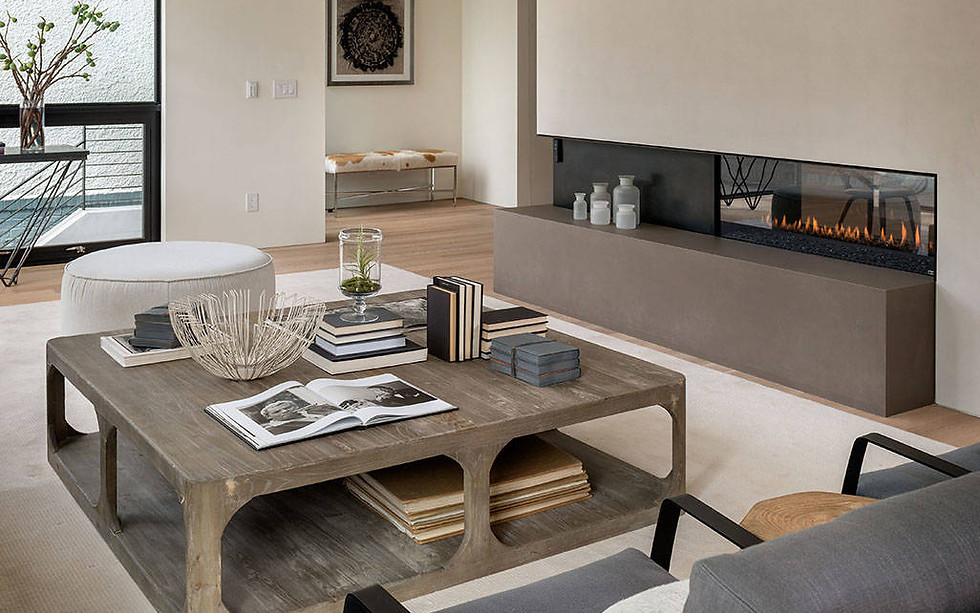
What it is?
Contemporary style is a current, ever-evolving design aesthetic that reflects the tastes, technologies, and cultural influences of the present moment. It favors clean forms, open space, curated simplicity, and a balance of comfort and sophistication.
Where does it originate?
Contemporary design emerged in the late 20th century, growing out of modernism but shifting to include trends from multiple styles—minimalism, Scandinavian, mid-century, and even industrial. Because it evolves with time, “contemporary” today looks different than it did 20 years ago and will continue changing.
Hallmarks of contemporary style:
-
Clean lines and smooth surfaces (uncluttered, streamlined forms)
-
Neutral base palettes with bold or artistic accents (black, white, taupe, charcoal)
-
Emphasis on open space and light (large windows, airy floor plans)
-
Mixed materials (glass, metal, stone, refined woods, textured fabrics)
-
Intentional minimalism (fewer, high-quality statement pieces)
This style works well with:
Farmhouse Style
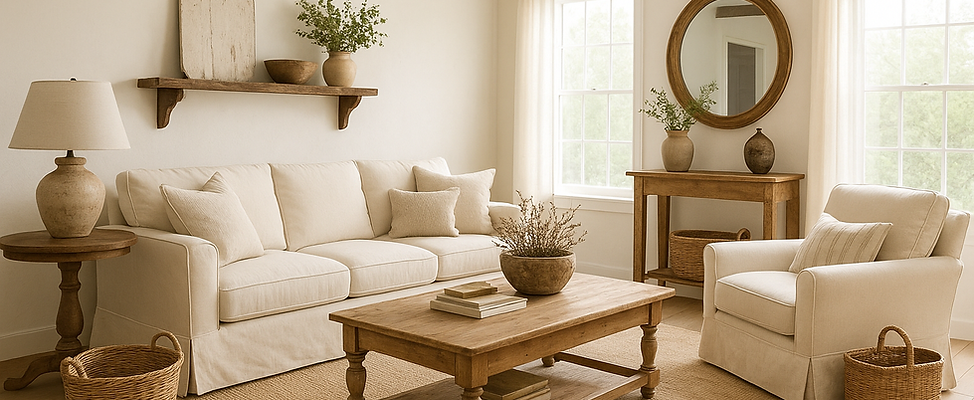
What it is:
Farmhouse style is a warm, comfortable, and practical interior design aesthetic inspired by traditional rural homes. It blends rustic character with simplicity, emphasizing natural materials, lived-in comfort, and a welcoming, relaxed atmosphere.
Where does it originate?
Farmhouse style originates from early agricultural homesteads in Europe and North America. These homes were built with practicality in mind—using local wood, stone, and simple handmade furnishings. Over time, the look blended nostalgic rustic charm with modern conveniences, leading to what many call modern farmhouse today.
Hallmarks of farmhouse style:
-
Natural, weathered materials (wood beams, reclaimed wood, brick, stone)
-
Neutral color palettes (whites, creams, warm grays, earthy tones)
-
Vintage or antique-inspired furnishings (shaker, rustic, or handmade pieces)
-
Functional décor (baskets, open shelving, practical storage, farm tables)
-
Cozy textures (cotton, linen, wool, chunky knits)
-
Metal accents (black iron, galvanized steel, aged brass)
-
A mix of new & old (modern lighting or appliances paired with rustic elements)
This style works well with:
Industrial Style

What it is:
Industrial style is a raw, utilitarian design aesthetic inspired by old factories, warehouses, and urban lofts. It highlights exposed structural elements, rugged textures, and simple, functional materials, creating a bold yet minimalist look.
Where does it originate?
Industrial design emerged in the late 19th and early 20th centuries during the industrial revolution, when factories were built with durable, utilitarian materials. In the 1970s–80s, designers and artists began converting abandoned warehouses into living and creative spaces—turning these once purely functional environments into stylish interiors and sparking the industrial design movement.
Hallmarks of industrial style:
-
Exposed architectural elements (brick, ducts, pipes, beams)
-
Raw, rugged materials (concrete, steel, reclaimed wood, weathered leather)
-
Neutral, urban color palette (grays, blacks, browns, brick tones)
-
Open layouts reminiscent of lofts and factory floors
-
Minimal, functional furnishings with utilitarian or vintage character
This style works well with:
Mediterranean Style

What it is:
Mediterranean style is a warm, inviting, and timeless interior design aesthetic inspired by the coastal regions of Southern Europe. It emphasizes natural materials, earthy colors, and a relaxed, sun-soaked atmosphere, often incorporating ornate details and handcrafted finishes.
Where does it originate?
Mediterranean design originates from countries along the Mediterranean Sea, including Italy, Spain, Greece, and southern France. It draws from vernacular architecture, local materials, and the indoor-outdoor lifestyle of these regions.
Hallmarks of Mediterranean style:
-
Warm, earthy color palettes (terracotta, ochre, sand, olive green, deep blues)
-
Textured walls and surfaces (plaster, stucco, stone)
-
Arched doorways and windows
-
Ornamental details (wrought iron, mosaic tiles, carved wood)
-
Natural materials (stone, wood, clay, wrought iron, linen)
-
Open, airy spaces with connection to outdoors
-
Rustic, handcrafted furnishings with simple elegance
This style works well with:
Mid-Century Style
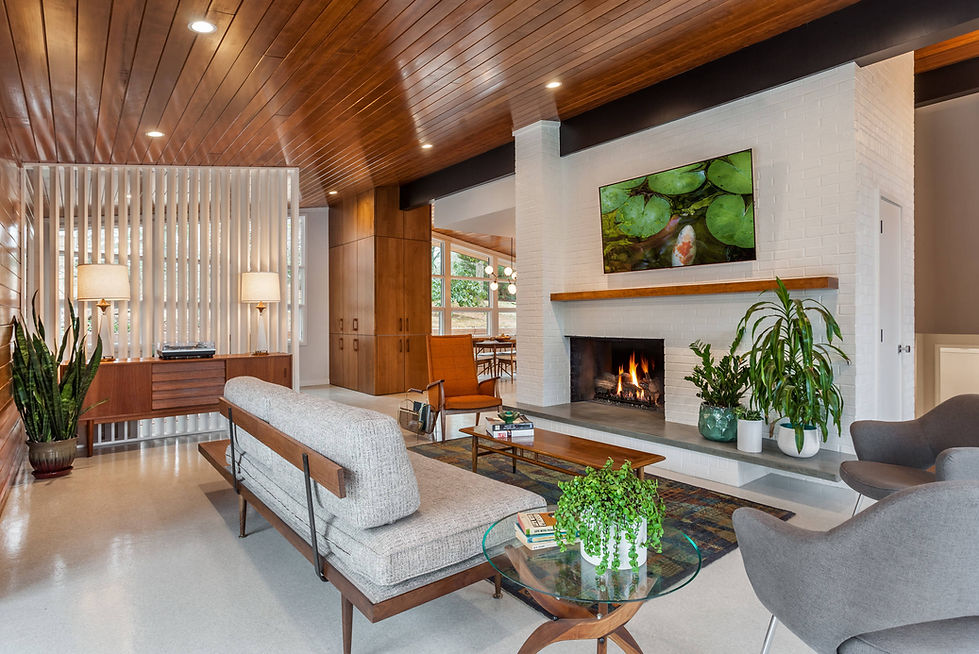
What it is:
Mid-Century Modern (MCM) is a sleek, functional, and minimalist design style that emphasizes clean lines, organic shapes, and a seamless connection between indoor and outdoor spaces. It combines simplicity with elegance, focusing on form and function without unnecessary ornamentation.
Where does it originate?
Mid-Century Modern design originated in the mid-20th century (roughly 1945–1969), primarily in the United States and Northern Europe. It evolved after World War II as designers embraced modern materials, technological innovations, and a desire for functional, affordable, and stylish furniture and homes.
Hallmarks of Mid-Century Modern style:
-
Clean, simple lines and geometric forms
-
Natural materials (wood, leather, metal, and glass)
-
Low-profile furniture with tapered legs
-
Integration with nature (large windows, indoor-outdoor flow)
-
Bold accent colors paired with neutral backgrounds
-
Minimal ornamentation with functional design
-
Iconic statement pieces (Eames chairs, Noguchi tables, teak cabinetry)
This style works well with:
Traditional Style
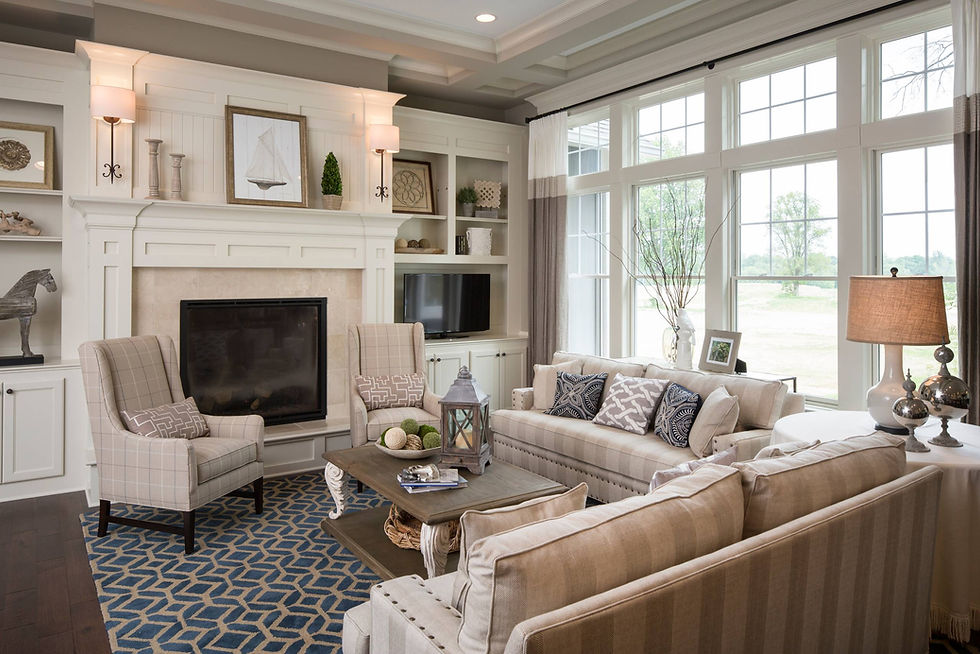
What it is:
Traditional interior design is a classic, elegant, and timeless style rooted in European decor from the 18th and 19th centuries. It emphasizes symmetry, refined craftsmanship, rich materials, and a warm, inviting sense of formality.
Where does it originate?
Traditional style originates from European (primarily English and French) aristocratic homes of the 1700s–1800s. It draws heavily from classical architecture, antique furniture, and decorative arts of those eras—think carved wood, luxurious fabrics, and balanced room layouts.
Hallmarks of traditional style:
-
Symmetry and balance in furniture placement and architectural elements
-
Rich wood tones (cherry, mahogany, walnut) and classic craftsmanship
-
Formal, elegant furnishings (rolled arms, carved details, wingback chairs)
-
Decorative patterns (florals, damask, toile, stripes)
-
Warm, layered textiles (heavy drapery, area rugs, upholstered seating)
This style works well with: